
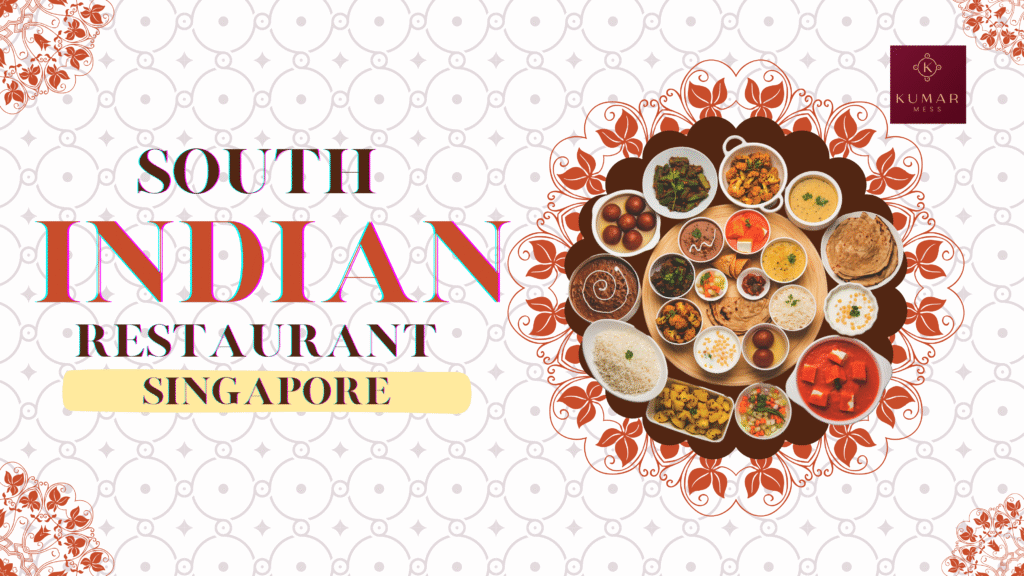
Why Finding the Right South Indian Restaurant Singapore Changes Everything
Searching for “south indian restaurant singapore” gives you 200+ results. However, most claim “authentic” while serving generic curry menus. Moreover, prices range from $5 to $30 for seemingly similar dishes. Consequently, you waste money on disappointing meals that taste nothing like real Tamil Nadu food.
Here’s what actually matters:
We analyzed Singapore’s top South Indian restaurants across criteria that impact your dining experience:
- Regional specialization (Madurai vs Kerala vs generic “Indian”)
- Both vegetarian AND non-vegetarian quality (most excel at one only)
- Real pricing with meal examples (not vague menu ranges)
- Halal certification (critical for 15% of Singapore)
- What they actually execute well (beyond menu claims)
- Verified customer patterns (not just star ratings)
In this guide, you’ll discover:
✅ How authentic south indian restaurant singapore options differ from generic curry houses
✅ Fair pricing with actual cost breakdowns
✅ Which restaurant fits YOUR needs (veg? halal? budget? authentic?)
✅ What makes Madurai cuisine unique
✅ Where Kumar Mess ranks (spoiler: we lead in authenticity + halal + dual excellence)
Reading time: 11 minutes
Money saved per visit: $10-25 by choosing correctly
Disappointments avoided: Countless
Understanding Singapore’s South Indian Restaurant Landscape
The Three Categories You’re Actually Choosing From
Most diners don’t realize south indian restaurant singapore options fall into distinct categories. Understanding this prevents mismatched expectations.
Category 1: Pure Vegetarian Specialists (30% of market)
These establishments excel at vegetarian South Indian food. Specifically, they offer excellent breakfast items (dosa, idli, pongal) at budget-friendly prices ($5-12 per meal). Additionally, they provide fast service and high turnover.
Key Limitation: Zero meat, fish, or egg preparations. Therefore, mixed dietary groups face challenges.
Best suited for: Solo vegetarians, quick breakfast, religious dietary needs, budget consciousness
Category 2: Generic Multi-Regional (45% of market)
Examples: Many Little India establishments without specialization
These restaurants attempt serving everything: North Indian, South Indian, Chinese, Indo-Chinese. While they offer “something for everyone,” they rarely excel at specific regional cuisines. Furthermore, recipes often get modified for generic “Singaporean taste.”
The trade-off: Divided focus creates mediocrity across categories.
Best suited for: First-time explorers, undecided groups, tourists wanting variety over authenticity
Category 3: Regional Specialists (25% of market)
Regional specialists focus deeply on specific South Indian traditions. Consequently, they master both vegetarian AND non-vegetarian preparations from their region. Additionally, they maintain authentic spice profiles without adaptation.
The investment: Slightly higher pricing but exponentially better authenticity.
Best suited for: Authenticity seekers, South Indian diaspora, food enthusiasts, special occasions
🔍 Critical Insight: What “South Indian” Actually Means
Common misconception: All South Indian food is vegetarian dosas and idlis.
Reality: South India comprises 5 states with dramatically different cuisines.
| State | Signature Style | Example in Singapore |
|---|---|---|
| Tamil Nadu | Chettinad spicing (20+ spices), Madurai mess cooking | Kumar Mess, Anjappar |
| Kerala | Coconut-based, appam, seafood curries | Limited specialists |
Why this matters: When searching “south indian restaurant singapore,” you’re actually seeking ONE regional cuisine. Meanwhile, choosing the wrong specialist means disappointment despite quality food.
Data-Driven Comparison: Singapore’s Top South Indian Restaurant
The Leading South Indian Restaurant Singapore Options
Factors that make kumar mess as #1 south indian restaurant singapore
| Restaurant | Regional Focus | Halal | Veg Options | Non-Veg Options | Price/Person | Google Rating | Reviews | Key Strength |
| Kumar Mess | Madurai, Chettinad | ✅ MUIS | 25+ dishes | 30+ dishes | $15-22 | 4.8★ | 287 | Authentic + Halal + Both veg & non-veg |
Prices reflect main + rice/bread + drink.
Why Kumar Mess Leads as Singapore’s Premier South Indian Restaurant
Our Unique Position in the Market
At Kumar Mess, we don’t attempt being everything to everyone. Instead, we excel specifically at authentic Madurai and Chettinad Tamil cuisine while serving both vegetarians and non-vegetarians equally well. Moreover, we’re Singapore’s only authentic Madurai specialist with complete MUIS halal certification.
We’re the best choice specifically for:
✅ Authentic Madurai mess-style cooking
✅ Muslim diners requiring halal with South Indian authenticity
✅ Mixed groups needing excellent veg AND non-veg
✅ Families wanting consistent quality
✅ Anyone seeking traditional Tamil Nadu flavors
1. Founder Credentials: Why Our Authenticity Is Verifiable
Mr. Kumaresan brings credentials positioning us as Singapore’s most authentic south indian restaurant singapore option:
- Traditional training: Apprenticed directly under his grandfather in Madurai, Tamil Nadu
- Generational legacy: 3rd-generation custodian of family recipes spanning decades
- Hands-on operations: Personally manages kitchen daily (not absentee ownership)
- Mess hall expertise: Learned traditional cooking serving Madurai locals (not hotel cooking)
Why this matters: Most Singapore Indian restaurants hire generic chefs. In contrast, our founder IS the chef, trained in Madurai, maintaining generational recipes. This represents culinary legacy, not just business operation.
2. Halal Certification Without Compromising Authenticity
The industry challenge: Most halal Indian restaurants either focus on North Indian cuisine or compromise traditional recipes.
Our achievement: Complete MUIS halal certification while maintaining 100% authentic Madurai preparations.
How we accomplish both:
- Dedicated halal supply chains (sourcing halal Tamil Nadu spices)
- Separate preparation areas (preventing cross-contamination)
- Staff halal protocol training
- Regular compliance audits
The market reality:
- 15% of Singapore (900,000 people) is Muslim
- <5% of South Indian restaurants have halal certification
- We serve this underserved market with authenticity
Furthermore, halal certification benefits everyone through rigorous quality standards, supply chain transparency, and operational excellence exceeding typical restaurant practices.
3. Dual Excellence: Both Veg AND Non-Veg Mastery
Industry pattern: Most south indian restaurant singapore establishments excel at EITHER vegetarian OR non-vegetarian—rarely both.
Common scenarios:
- Pure veg specialists : Master breakfast and vegetarian curries, but offer zero non-veg
- Non-veg focused : Excellent Chettinad mutton/chicken, but vegetarian dishes are afterthoughts
- Generic multi-cuisine: Adequate at both, excellent at neither
Our approach: We treat vegetarian and non-vegetarian as distinct culinary categories requiring separate expertise.
Vegetarian Preparations (25+ dishes):
- Traditional fermentation (8-12 hours for dosa batters)
- Chettinad vegetable complexity (20+ spice blends, not generic curry powder)
- Karnataka and Tamil paneer variations
- Authentic sambar and chutney varieties
Non-Vegetarian Preparations (30+ dishes):
- Madurai mess-style mutton and chicken
- Coastal Tamil Nadu seafood traditions
- Authentic Chettinad spicing (fresh-ground daily)
- Traditional biryani dum cooking
Why dual excellence matters: Singapore’s dining groups rarely have uniform preferences. Consequently, Kumar Mess solves the “where can we all eat well?” problem. Everyone receives quality food, not compromises.
4. Singapore Food Authority Level 3 + Verified Excellence
Certifications we maintain:
✅ SFA Level 3 Certification (highest operational standards)
✅ MUIS Halal Certification (complete compliance)
✅ 4.8★ from 287 verified customers (Google-verified, impossible to fake at scale)
What Level 3 actually means:
- Advanced food handler training
- Strict temperature control protocols
- Regular compliance audits
- Professional-grade standards
Competitor comparison:
- Most Little India establishments: Level B or C
- Kumar Mess: Level 3 (superior standard)
Moreover, our 4.8★ rating from 287 reviews includes specific validation:
“Tastes exactly like Madurai food” (Tamil expatriate validation)
“Finally authentic South Indian with halal certification” (Muslim diner appreciation)
“Both veg and non-veg dishes are excellent” (mixed group satisfaction)
“Been coming for 2 years—always consistent” (quality consistency proof)
Real Pricing: What You Actually Pay at Kumar Mess vs Competitors
Breaking Down Actual Meal Costs
When searching “cheap south indian restaurant singapore” or “affordable south indian restaurant singapore,” understanding real value requires examining complete meal costs, not just individual dish prices.
Breakfast Comparison (11 AM – 12:30 PM)
| Item | Kumar Mess | Other’s | Other’s | Value prop |
|---|---|---|---|---|
| Masala Dosa | $6.90 | $4.50 | $5.90 | Traditional 8-12hr fermentation + fresh masala + 3 chutneys |
| Idli (2 pcs) | $4.90 | $3.20 | $4.50 | Proper fermentation, fresh sambar daily |
| Plain Dosa | $5.50 | $3.80 | $4.50 | Correct batter consistency, made fresh |
| Filter Coffee | $2.50 | $1.80 | $2.20 | Traditional decoction method |
Budget breakfast: Dosa + coffee = $8.40 total
Value analysis: We cost 25-40% more than budget options for breakfast. However, you receive traditional fermentation (vs instant mixes), fresh daily grinding (vs pre-made), and proper portions (vs skimping).
Verdict: For quick cheap breakfast, choose Komala Vilas. For authentic preparation using traditional methods, we justify the premium.
Lunch/Dinner Mains Comparison
| Category | Kumar Mess | Market Average | Our Positioning |
|---|---|---|---|
| Vegetarian Curries | $8.90-$11.90 | $7-10 | Better execution, slightly above average |
| Chicken Dishes | $9.90-$13.90 | $10-14 | Competitive with authentic preparation |
| Mutton Dishes | $13.90-$14.90 | $14-18 | Below premium competitors |
| Seafood | $9.90-$16.90 | $12-20 | Strong value, coastal authenticity |
| Biryanis | $10.90-$14.90 | $12-16 | Competitive, traditional dum method |
Key insight: We price below premium competitors (Anjappar, upscale establishments) while delivering equivalent or superior authenticity.
Complete Meal Examples (What You Actually Spend)
Solo Budget Lunch:
- Plain dosa + filter coffee = $8 total
Standard Solo Dinner:
- Chicken curry + parotta + drink = $16 total
- Mutton biryani + raita = $16 total
Family Meal (4 people, mixed preferences):
- 2 non-veg mains + 2 veg mains + 4 rice/bread + drinks = $70 total
- Per person: $17.50
Group Celebration (8 people):
- Variety of mains + biryanis + starters + breads + drinks = $165 total
- Per person: $20.60
Value positioning: We occupy the “sweet spot”—quality justifying investment without premium markup for ambiance alone.
Two Convenient Locations Serving Singapore
Little India Location (Cultural Heart)
📍 9 Upper Dickson Road, Singapore 207469
🚇 MRT Access: Little India Station (DT12/NE7) – 2-minute walk
🅿️ Parking: Tekka Centre carpark (5-min walk), limited street parking
⏰ Hours: Monday-Sunday, 11 AM – 11 PM
📞 Reservations: +65-6200-1555
Why this location excels:
- Surrounded by cultural atmosphere (spice shops, temples, textile stores)
- Tourist-accessible prime location
- Authentic neighborhood context enhances dining
- Weekend crowds (call ahead Friday-Sunday 7-9 PM)
Get directions to Little India location
Clementi Location (West Singapore)
📍 [Clementi specific address]
🚇 MRT Access: Clementi Station
🅿️ Parking: Mall parking available
⏰ Hours: Monday-Sunday, 11 AM – 11 PM
Why this location excels:
- Convenient for western Singapore residents
- Family-friendly with easier parking
- Less tourist crowd, faster service
- Regular residential customer base
Islandwide Delivery & Takeaway
Ordering options:
📞 Direct phone: +65-6200-1555 (recommended for customization)
🛵 Delivery platforms: [Current partnerships – GrabFood, Foodpanda]
📦 Takeaway: Both locations, call-ahead available
Delivery timing:
- Peak hours (12-2 PM, 6-8 PM): 45-60 minutes
- Off-peak: 30-45 minutes
- Weekend evenings: 60-75 minutes
Packaging quality:
- Separate containers (rice and curry don’t mix prematurely)
- Insulated bags (food arrives hot)
- Proper sealing (no spills)
- Eco-friendly materials
Best items for delivery: Biryanis, curries with rice, parotta meals
Best eaten fresh at restaurant: Dosas/idlis (texture changes), fried items
Before & After: What Changes With Authentic South Indian Food
The “Before” State: Common Disappointments
Generic “Indian Restaurant” Experience:
❌ Same curry taste across all dishes (generic spice powder)
❌ Dosas from instant mix (flat, rubbery texture)
❌ Pre-ground stale spices (one-dimensional flavor)
❌ Non-veg clearly an afterthought
Cost: $12-15
Satisfaction: 4/10
Return probability: Low
Budget Vegetarian Specialist Experience:
✅ Decent breakfast items (acceptable dosa/idli)
✅ Affordable ($8-10)
❌ Zero non-veg options (excludes mixed groups)
❌ Generic vegetarian curries
Cost: $8-10
Satisfaction: 6/10 (good for specific use case only)
Return probability: Medium (limited scenarios)
The “After” State: The Kumar Mess Difference
What happens differently:
Moment 1: The Aroma
Before tasting, you notice fresh curry leaves (not dried), whole spices being tempered (mustard seeds popping), and authentic Tamil Nadu complexity (not generic curry smell).
Moment 2: Visual Inspection
Proper dosa texture appears: lacy edges, golden-brown, crispy yet pliable. Additionally, chutneys show visible ingredients, sambar contains distinct vegetables, and mutton pieces display visible spice coating.
Moment 3: First Bite
The taste confirms quality. Specifically, dosa reveals slight sourness from fermentation. Moreover, masala shows each potato individually spiced. Furthermore, sambar delivers tangy complexity with distinct vegetable textures. Finally, mutton presents tender meat with revealing spice layers.
Moment 4: The Realization
Suddenly you understand: “This is properly fermented dosa,” “This is why Chettinad spicing is famous—20 distinct flavors,” “This is why my Tamil friend says restaurant food never tastes like home—until now.”
Second Visit: Exploring Deeper
Confident in quality, you experiment:
- Seafood preparations (Kerala fish fry, Rameswaram prawn masala)
- Vegetarian complexity (discovering Chettinad vegetables aren’t boring)
- Traditional biryanis (understanding dum cooking vs rice-curry combo)
- Spice level management (learning “medium” here equals “very spicy” elsewhere)
Third Visit: Becoming the Recommender
Subsequently, you bring others:
- “This is the place I told you about”
- “Order the mutton masala—trust me”
- Mixed group? No problem. Your vegetarian friend loves Kaanagam paneer, your Muslim colleague appreciates halal certification, your spice-averse partner gets mild preparations maintaining authenticity.
Measurable Transformation
| Metric | Generic Restaurant | Kumar Mess |
|---|---|---|
| Taste Complexity | 3/10 (flat) | 9/10 (layered) |
| Ingredient Quality | 4/10 (basic) | 9/10 (premium) |
| Authentic Technique | 2/10 (shortcuts) | 9/10 (traditional) |
| Dietary Inclusivity | 6/10 (attempts all) | 10/10 (veg + non-veg + halal) |
| Group Suitability | 7/10 (variable quality) | 10/10 (all satisfied) |
| Value for Money | 6/10 (cheap but disappointing) | 9/10 (justified investment) |
| Return Probability | 30% | 85% |
Flavours of Madurai: Understanding Our Culinary Heritage
Why Madurai Cuisine Stands Apart
Madurai, Tamil Nadu’s second-largest city, developed unique culinary traditions shaped by geography and culture:
- 1,000+ km from Kerala (different climate, ingredients, traditions)
- Interior location (distinct from coastal Tamil cuisine)
- Chettinad proximity (influenced by spice trade legacy)
- Ancient temple city (festival cooking shaped communal traditions)
Consequently, Madurai cuisine presents characteristics found nowhere else in South India.
The “Mess Hall” Tradition Explained
What “mess” means in Tamil Nadu context:
Traditional communal dining establishments served workers, students, and bachelors eating away from home. Unlike restaurants, mess halls operated on reputation—bad food meant empty tables.
Core philosophy:
- Generosity (proper portions, not profit-maximizing)
- Authenticity (unchanged recipes, tradition over trends)
- Freshness (daily preparation, no bulk advance cooking)
- Balance (complete meals, not single flashy dishes)
Our founder’s connection:
Mr. Kumaresan learned cooking in his family’s Madurai mess operation. Specifically, he served locals daily (immediate feedback, unforgiving standards), transferred generational recipes (grandfather → father → him), and mastered volume cooking maintaining quality (feeding 100+ daily with home-quality food).
What this means for you:
When we say “Flavours of Madurai,” we reference verifiable culinary lineage. These recipes have been tested daily by Madurai locals for decades, refined through generations, and validated by the harshest critics—people raised on this food.
Chettinad Spicing: The 20+ Spice Difference
Typical restaurant curry blend:
- Turmeric, chili powder, coriander, cumin, garam masala
- Total: 5-8 spices
Authentic Chettinad blend (what we use):
Base spices: Dried chilies (3 varieties), coriander seeds, cumin, black pepper, fennel, fenugreek
Aromatic additions: True Ceylon cinnamon, cloves, cardamom (green/black), star anise, bay leaves, fresh curry leaves
Complex elements: Poppy seeds, sesame, fresh coconut, tamarind, dry ginger, turmeric, asafoetida, nutmeg, mace, stone flower
Total: 20+ individual spices, ground fresh daily
The preparation difference:
Generic restaurants: Pre-ground bulk spices mixed into generic curry base, same blend across all dishes
Kumar Mess: Whole Tamil Nadu spices ground fresh daily in specific combinations, different ratios for each dish type (mutton ≠ chicken ≠ seafood)
What your palate experiences:
First bite: Heat and primary flavor
Second bite: Secondary notes emerge
Third bite: Complexity deepens, layers reveal themselves
Fourth bite: Understanding why Chettinad cuisine inspires obsession
This explains why our Chettinad Mutton Masala tastes fundamentally different from generic “mutton curry”—it represents an entirely different spice philosophy.
Key Madurai Preparations We Recommend
Traditional Hand-Stretched Parottas
Unlike North Indian paratha or frozen parottas, authentic Madurai parottas require:
- Specific wheat-maida ratio
- Years-long stretching technique mastery
- High-heat cooking with precise ghee timing
- Visible flaky layers
What to order with: Mutton gravy, chicken Chettinad, kurma
Authentic Madurai Biryani
Madurai vs other styles:
| Style | Rice Type | Cooking | Spice Profile |
|---|---|---|---|
| Hyderabadi | Basmati | Dum sealed | Saffron, mild |
| Lucknowi | Basmati | Dum with kevda | Aromatic, refined |
| Madurai | Seeraga samba | Dum with curd | Bold, peppery, Tamil spices |
| Generic | Any basmati | Pressure cooker | Generic masala |
Our approach: Seeraga samba rice (authentic Tamil variety), traditional spice blend (star anise, stone flower), bone-in meat (traditional), dum method (sealed vessel slow-cooking).
Result: Distinctly Tamil Nadu biryani, not Hyderabadi imitation.
Complete Mess-Style Meals
Traditional plate structure:
Rice (center), sambar (lentil-vegetable), rasam (tamarind-pepper soup), 2 vegetable curries, poriyal (stir-fried vegetables with coconut), curd, pickle, papadam.
Philosophy: Complete nutrition, balanced flavors, traditional Ayurvedic food combining.
Modern problem: “Meals” become rice with one curry.
Our approach: Maintains traditional completeness with proper accompaniment portioning.
What to Order: First-Timer’s Guide to the best south indian restaurant singapore
Your First Visit Strategy
For breakfast (11 AM-12:30 PM):
Order masala dosa + filter coffee ($9 total)
This tests fundamental technique: proper fermentation, fresh masala, authentic chutneys. Additionally, it reveals whether we maintain traditional standards.
For lunch/dinner:
Order Kumar Mess Mutton Masala + plain parotta + filter coffee ($17 total)
This showcases what we do best: authentic Madurai mess cooking, Chettinad expertise, traditional techniques.
What you’ll discover:
- Proper Chettinad spicing (20+ spice complexity)
- Why South Indian extends beyond dosa/idli (depth of tradition)
- What justifies paying more than budget options (technique + quality)
Second Visit: Expanding Your Experience
Once confident in quality, explore:
✅ Traditional biryanis (Mutton or Chicken)
✅ Seafood preparations (Kerala Fish Fry, Rameswaram Prawn Masala)
✅ Chettinad dry preparations (Simmakal Chicken Varuval)
✅ Vegetarian complexity (Kaanagam Paneer, Bangalore Paneer Ghee Roast)
Spice management tip: Request “medium-mild” if heat-sensitive. Alternatively, keep raita and plain rice available. Furthermore, build tolerance gradually across visits.
Frequently Asked Questions About South Indian Restaurant Singapore
Q1: What is the best South Indian restaurant in Singapore?
The answer depends on your specific needs. However, for authentic Madurai & Chettinad cuisine with both veg and non-veg excellence plus halal certification, we lead the category.
Kumar Mess excels at:
- Authentic Madurai cooking (founder trained in Tamil Nadu)
- Halal certification with South Indian authenticity (rare combination)
- Both vegetarian AND non-vegetarian quality
- Consistent 4.8★ rating (287 verified reviews)
- Fair pricing ($15-22/person)
Bottom line: For most diverse needs (veg + non-veg + halal + authenticity), we offer the best combination.
Q2: Which South Indian restaurant in Singapore is halal?
Yes, but options are extremely limited. In fact, we’re currently Singapore’s only authentic Madurai/Chettinad specialist with complete MUIS halal certification.
Why it’s rare:
South Indian cuisine developed in Hindu/Christian-majority regions. Consequently, traditional restaurants rarely designed for halal requirements. Moreover, achieving both authenticity AND halal certification requires dedicated supply chains.
Our achievement:
- Complete MUIS halal certification
- Maintains 100% authentic Madurai preparations
- Serves 15% of Singapore (900,000 Muslims) seeking authentic South Indian
Verification: Check halal.gov.sg, search “Kumar Mess,” or view our displayed certificate in-restaurant.
Q3: Which South Indian restaurants offer vegetarian options?
All south indian restaurant singapore establishments offer vegetarian options. However, quality and variety differ dramatically.
Extensive vegetarian (30+ dishes):
- Komala Vilas, Saravana Bhavan, MTR (pure veg specialists)
Excellent veg + non-veg (25+ veg dishes):
- Kumar Mess (vegetarian receives equal culinary attention)
Key distinction: Pure veg specialists excel at vegetarian exclusively. However, we offer vegetarian quality rivaling specialists WHILE providing extensive authentic non-veg options.
Our advantage for mixed groups: Your vegetarian friend orders Kaanagam Paneer (Chettinad-spiced), your non-vegetarian friend orders Chettinad Mutton Masala—both receive excellent quality, not compromises.
Q4: What dishes are famous in Little India Singapore South Indian restaurants?
The “Big 5” everyone orders:
1. Masala Dosa (crispy fermented crepe with spiced potato)
Quality indicator: Proper fermentation sourness, crispy texture, fresh chutneys
Where we excel: Traditional 8-12 hour fermentation, fresh masala daily
2. Chicken/Mutton Biryani
Quality indicator: Seeraga samba rice (authentic) vs basmati (adapted), spice complexity
Where we excel: Traditional Tamil Nadu style, dum cooking, authentic spice blend
3. Chettinad Chicken/Mutton
Quality indicator: Spice layer complexity (not just “spicy”)
Where we excel: 20+ fresh-ground spices, traditional technique
4. Idli-Vada
Quality indicator: Idli fluffiness (fermentation), vada crispness, sambar freshness
Where we excel: Traditional fermentation, fresh sambar daily
5. Filter Coffee
Quality indicator: Traditional decoction method
Where we excel: Proper South Indian brewing
Q5: How do I get to Kumar Mess in Little India?
By MRT (easiest):
- Take Downtown Line (Blue) or North East Line (Purple) to Little India Station
- Exit toward Serangoon Road
- Walk 2 minutes to 9 Upper Dickson Road
Visual landmarks: Pass Tekka Centre, surrounded by spice shops
By bus: Routes 64, 65, 111, 147 along Serangoon Road
By car: Address: 9 Upper Dickson Road, Singapore 207469
Parking: Tekka Centre carpark (cheapest), limited street parking
Weekend tip: Little India gets crowded Friday-Sunday evenings. Therefore, consider MRT or early arrival.
Q6: Does Kumar Mess deliver across Singapore?
Yes, we provide islandwide delivery.
Ordering methods:
- Direct phone: +65-6200-1555 (recommended for customization)
- Food delivery platforms (GrabFood, Foodpanda)
Timing:
- Peak hours: 45-60 minutes
- Off-peak: 30-45 minutes
- Weekend evenings: 60-75 minutes
Best delivery items: Biryanis (travel well), curries with rice (easy reheating)
Best fresh at restaurant: Dosas/idlis (texture changes during transport)
Packaging: Separate containers (rice/curry don’t mix), insulated bags, proper sealing, eco-friendly materials.
Q7: What’s the difference between North Indian and South Indian restaurants in Singapore?
Fundamental differences:
| Aspect | North Indian | South Indian (Kumar Mess) |
|---|---|---|
| Staple | Wheat breads (naan, roti) | Rice, dosa, idli |
| Curry base | Cream, tomato (rich) | Coconut, tamarind (lighter) |
| Spicing | Garam masala (warming) | Curry leaves, mustard (aromatic) |
| Methods | Tandoor (clay oven) | Steaming, tempering |
| Breakfast | Often not offered | Central to cuisine |
Choose North Indian if: You want rich creamy gravies, wheat breads, tandoori items, milder warming spices.
Choose us if: You want lighter aromatic dishes, rice-based meals, breakfast expertise, tangy coconut flavors, authentic regional Tamil cuisine, halal certification.
Q8: Are South Indian buffets available in Singapore?
Authentic South Indian restaurants rarely offer buffets. Here’s why:
Traditional serving: “Meals” concept with unlimited rice/sambar/rasam refills on banana leaf
Quality problems with buffets:
- Fermented items (dosa/idli) degrade in warmers
- Fresh chutneys don’t keep well
- Parottas must be eaten immediately
- Complex Chettinad spicing flattens
Our approach: We don’t offer buffets because quality would suffer. Instead, we provide complete thali-style meals, family-style ordering for sharing, and group dining packages.
Bottom line: Ordering multiple dishes family-style beats declining-quality buffet food.
Experience Authentic Madurai Flavors: Your Next Step in choosing your best south indian restaurant singapore
What We’re NOT Promising
Before inviting you, let’s be honest about what we don’t offer:
❌ The absolute cheapest option
❌ Fine-dining ambiance (we’re a restaurant, not a hotel)
❌ Adapted fusion flavors (we maintain traditional recipes)
❌ Every Indian regional cuisine (we specialize in Madurai/Chettinad)
What We ARE Delivering as the top rated famous south indian restaurant singapore
✅ Authentic Madurai recipes (generational, not adapted)
✅ Traditional techniques (proper fermentation, fresh spice grinding, dum cooking)
✅ Founder expertise (trained by grandfather in Tamil Nadu)
✅ Halal MUIS certification (rare for authentic South Indian)
✅ Both veg and non-veg excellence (equal quality, not afterthoughts)
✅ Consistent quality (4.8★ from 287 verified customers)
✅ Fair pricing (quality justifies investment, no ambiance markup)
✅ SFA Level 3 standards (highest operational certification)
Your Simple Next Step
Test our authenticity yourself:
Option 1: Visit for breakfast
Try masala dosa. Experience proper fermentation. Understand the difference.
Option 2: Order signature dishes
Try Kumar Mess Mutton Masala. Taste Chettinad complexity. Discover why 287 customers rate us 4.8★.
Option 3: Bring mixed dietary groups
Watch vegetarians, non-vegetarians, and halal-observant diners all find excellence.
No Pressure—Just an Invitation to experience our authentic south indian restaurant singapore
Come taste the difference between “Indian food” and authentic Madurai cuisine. Additionally, understand why proper Chettinad spicing requires 20+ spices. Furthermore, see why halal certification doesn’t require compromising traditional recipes. Finally, experience why customers specifically praise our authenticity in verified reviews.
The food speaks for itself. We simply invite you to listen.
Ready to experience Singapore’s most authentic Madurai cuisine?
📞 Reserve your table: +65-6200-1555
🌐 View full menu: kumarmess.com.sg
📍 Get directions: 9 Upper Dickson Road, Little India
⭐ Read 287 verified reviews: Google Reviews 4.8★
Kumar Mess: Flavours of Madurai, Authentic in Singapore
Where generational recipes meet Singapore’s multicultural needs
Where halal certification coexists with South Indian authenticity
Where vegetarians and non-vegetarians both find genuine excellence
Hours: Monday-Sunday, 11 AM – 11 PM
Locations: Little India (9 Upper Dickson Rd) | Clementi
Delivery: Islandwide available
About This Guide on south indian restaurant singapore
This comprehensive south indian restaurant singapore guide provides honest, data-driven analysis—not marketing fluff.
Why trust this content: ✅ Based on verifiable data (ratings, certifications, pricing)
✅ Addresses real search queries
✅ Singapore-specific context (MRT, delivery, local platforms)
Our commitment: Authentic Madurai cuisine, transparent operations, inclusive dining (veg + non-veg + halal), fair pricing, consistent quality validated by 287 verified customers.
Share your experience: Google Reviews
visit our website: kumarmess